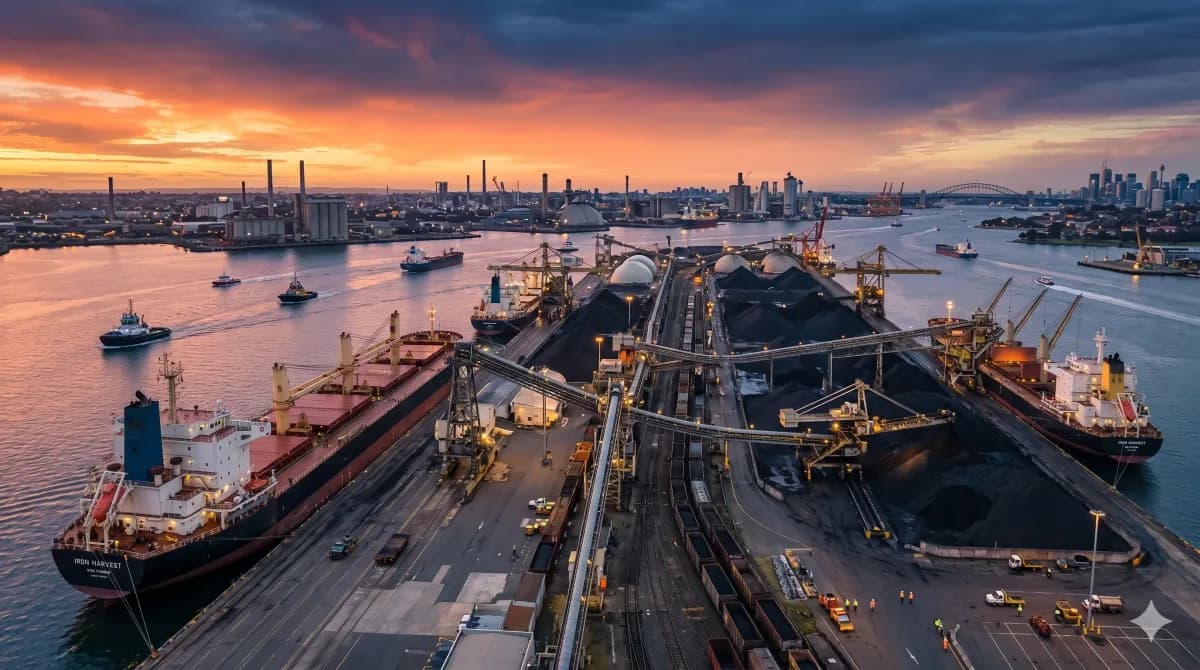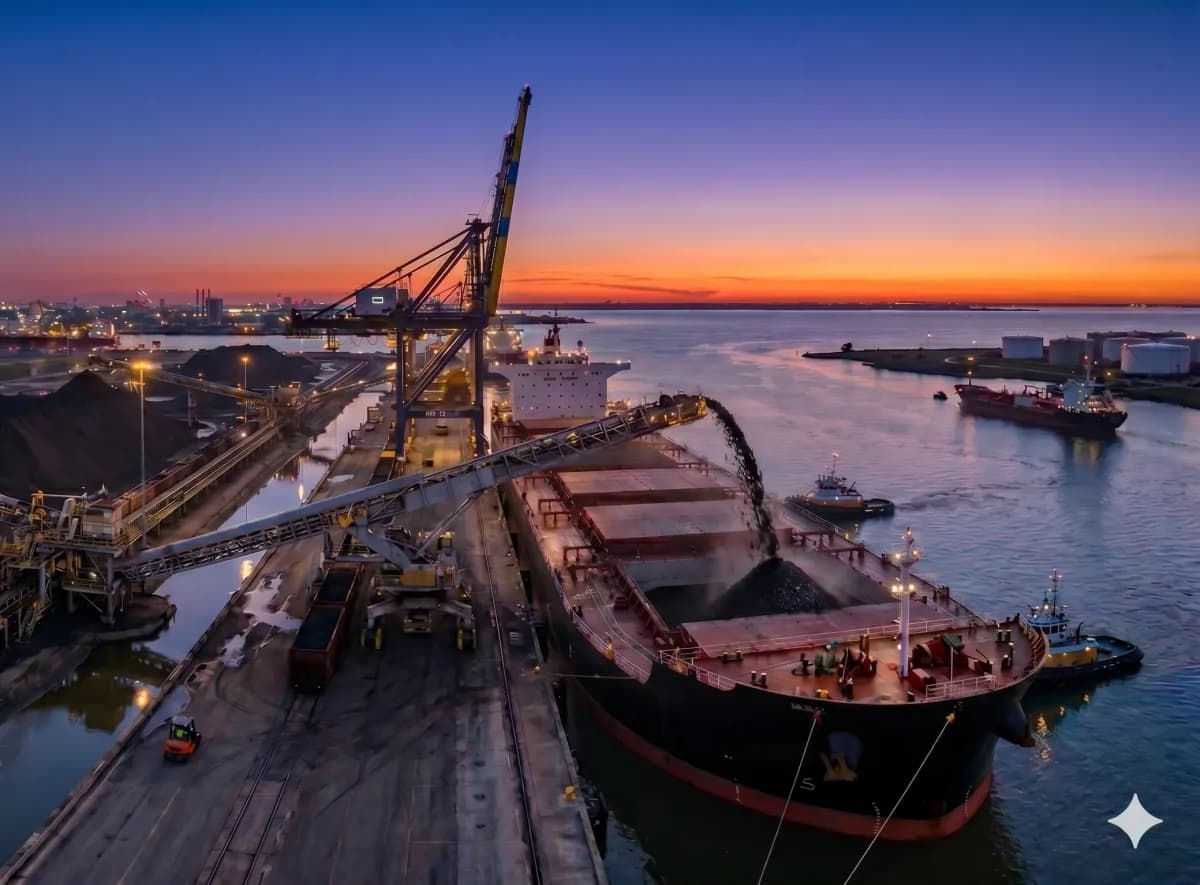
Service
Petroleum coke marketing & trading.
Refinery-direct origination, quality-spec marketing programs, and spot or term contract structures matched to the buyer's offtake cadence.
What this is
We position refinery-produced petcoke into the global market.
Petroleum coke is a by-product of the refining process. Refineries produce it on a near-continuous schedule and need a counterparty who can take the material off-stream against a defined quality spec, on a defined commercial cadence, and place it into a fit-for- purpose end use. That counterparty position is what we hold.
We work with both fuel-grade petcoke (high-sulfur material moving into cement kilns, calciners, and circulating fluidized-bed power boilers) and anode-grade petcoke (lower-sulfur material moving into smelter feed and calcining for the aluminum and steel industries). Each grade trades on a different value basis and against different end-user spec sheets — we structure each program to the grade.
How programs are structured
Two contract shapes, both written to the customer's schedule.
Spot programs
Cargo-by-cargo placement, priced against a published index or a negotiated fixed value, with FOB Houston, FOB Gulf, or CFR delivered terms. Used when a refinery wants to clear a single parcel or when a buyer needs a one-off lot inside an existing program.
Term programs
Multi-cargo, multi-quarter, or multi-year contracts with fixed-tonnage minimums and quality-spec covenants. Used by end users who need cadence visibility — cement plants and calciners run continuous operations and cannot accept supply gaps. Term contracts include adjustment clauses for spec drift and tonnage flex bands.
What we handle
End-to-end ownership of the commercial layer.
- Refinery relationships. Direct lift agreements and call-on-production arrangements with Gulf-Coast refining counterparties.
- Quality-spec marketing. Sulfur, vanadium, hardgrove grindability index, fixed-carbon, and ash content tracked per cargo and reconciled against end-user spec sheets.
- Pricing and risk. Index-linked, fixed-price, or formula-priced contracts. Freight-risk pass-through clauses where the buyer holds the logistics piece directly.
- Documentation. Bill of lading, certificate of origin, surveyor reports, and quality certificates issued against each cargo. Customs and trade-compliance documentation handled at our cost.