Service
Global logistics coordination.
Rail, barge, truck, and vessel movements scheduled against a single counterparty — refinery gate to end-user pile.
What this is
One counterparty across the modal chain.
Petroleum coke is a bulk commodity that moves on multiple modes between refinery and end user — typically rail or barge to a transload, truck to a port stockpile, vessel to the international destination, then truck or rail again to the receiving plant. Each handoff is a potential point of schedule slip or quality degradation. Our logistics service holds the schedule across all of those handoffs under a single account contact.
We are not a freight forwarder and we do not own equipment. We are a coordinator and a counterparty — we hold the relationships with the carriers, the terminals, the stevedores, and the surveyors, and we sequence them against the commercial schedule.
Modes we coordinate
Inland and ocean, scheduled as one program.
Rail
Unit train and manifest movements from refinery rail siding to Gulf-Coast transload or directly to inland end-user spurs. Mileage allowances, demurrage, and shop-track time tracked at the cargo level.
Barge
Mississippi River and Gulf Intracoastal movements when the rail-to-port economics don't pencil. Tow scheduling, fleeting time, and barge-to-vessel direct-transfer windows coordinated against vessel arrival.
Truck
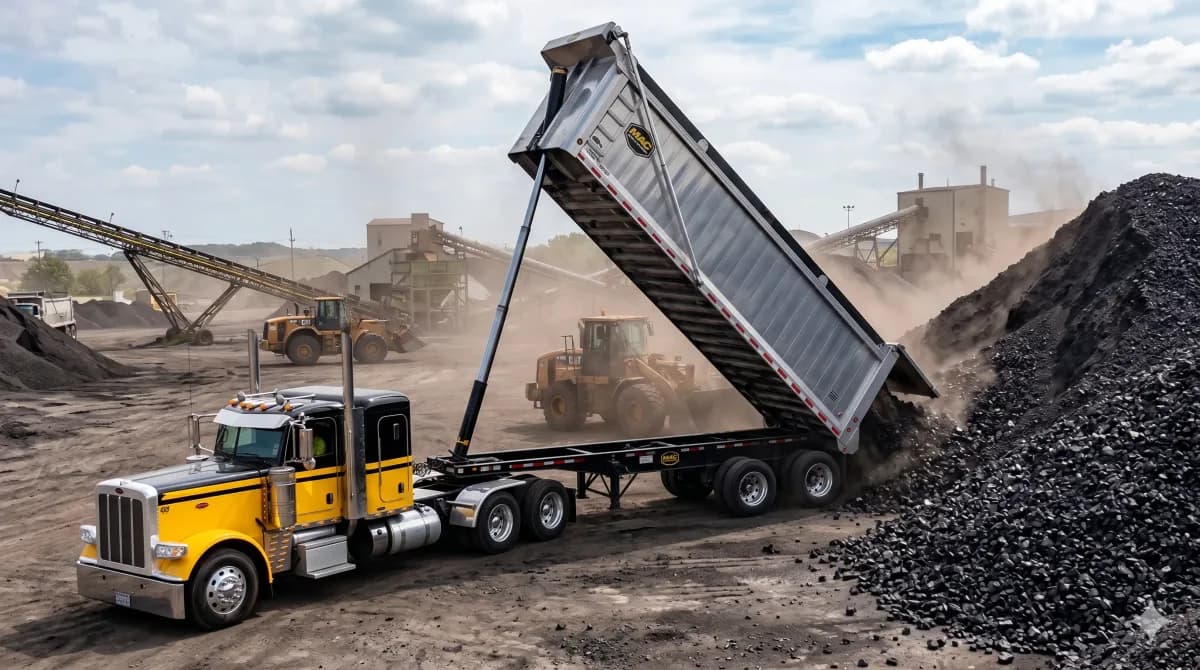
Short-haul movements between refinery and transload, or inland delivery from port stockpile to industrial-customer receiving pile. Used for parcels under typical rail-car size or where the route doesn't support direct rail service.
Vessel
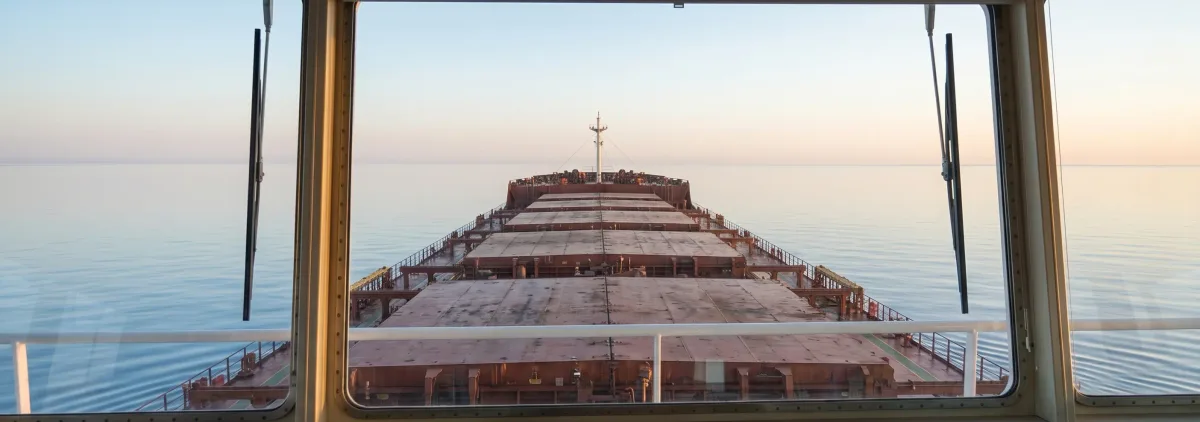
Panamax and Supramax dry-bulk vessel chartering for export movements. Stevedoring liaison, draft-restricted port routing, and laytime tracked under our charter party. See also Export & vessel support.
Coordination points
The handoffs we own.
- Refinery load-out. Loading window booked against the refinery's production cadence; rail car or truck spotted on schedule; tare and gross weights captured.
- Transload and storage. Inbound vehicle out, outbound mode in. Inventory tracked at the lot level through the transload window.
- Port-of-export. Vessel nomination, stevedore call, surveyor draft, and bill of lading discharge — all scheduled against the laytime clock.
- Freight-risk and demurrage. Demurrage exposure tracked per cargo. Freight-rate management clauses written into the commercial contract where the buyer wants the price exposure passed through.